How to Wear Tweed Without Looking Like a Costume
The difference between heritage and dressing up.
There is a version of tweed that looks like you've borrowed it from a National Trust gift shop. This is not that version. The distinction lives in the cut, the weight, the things you pair it with, and what you don't.
The Problem With Tweed
Tweed is one of the most category-defining fabrics in British menswear, and one of the most difficult to wear without disappearing into parody. The wrong cut, the wrong accompaniments, the wrong context — and you are not wearing tweed, you are wearing a costume that happens to be made of tweed.
The difference is almost entirely in the details. The weight of the fabric. The modernity of the cut. What goes under it. What goes on the feet. Any one of these, done wrong, tips the whole thing into fancy dress territory.
Fabric Weight and Quality
Genuine Harris Tweed has a weight and texture that most alternatives lack. It is protected by statute — the Harris Tweed Act 1993 requires it to be dyed, spun, and hand-woven in the Outer Hebrides from pure virgin wool. This is not marketing; it is a guarantee of process.
The weight matters because it drapes differently. A cheap tweed will lose its shape through the day. Harris Tweed holds. Thomas Farthing and Cordings both produce jackets in genuine Harris Tweed and are confirmed brand associations with the show.
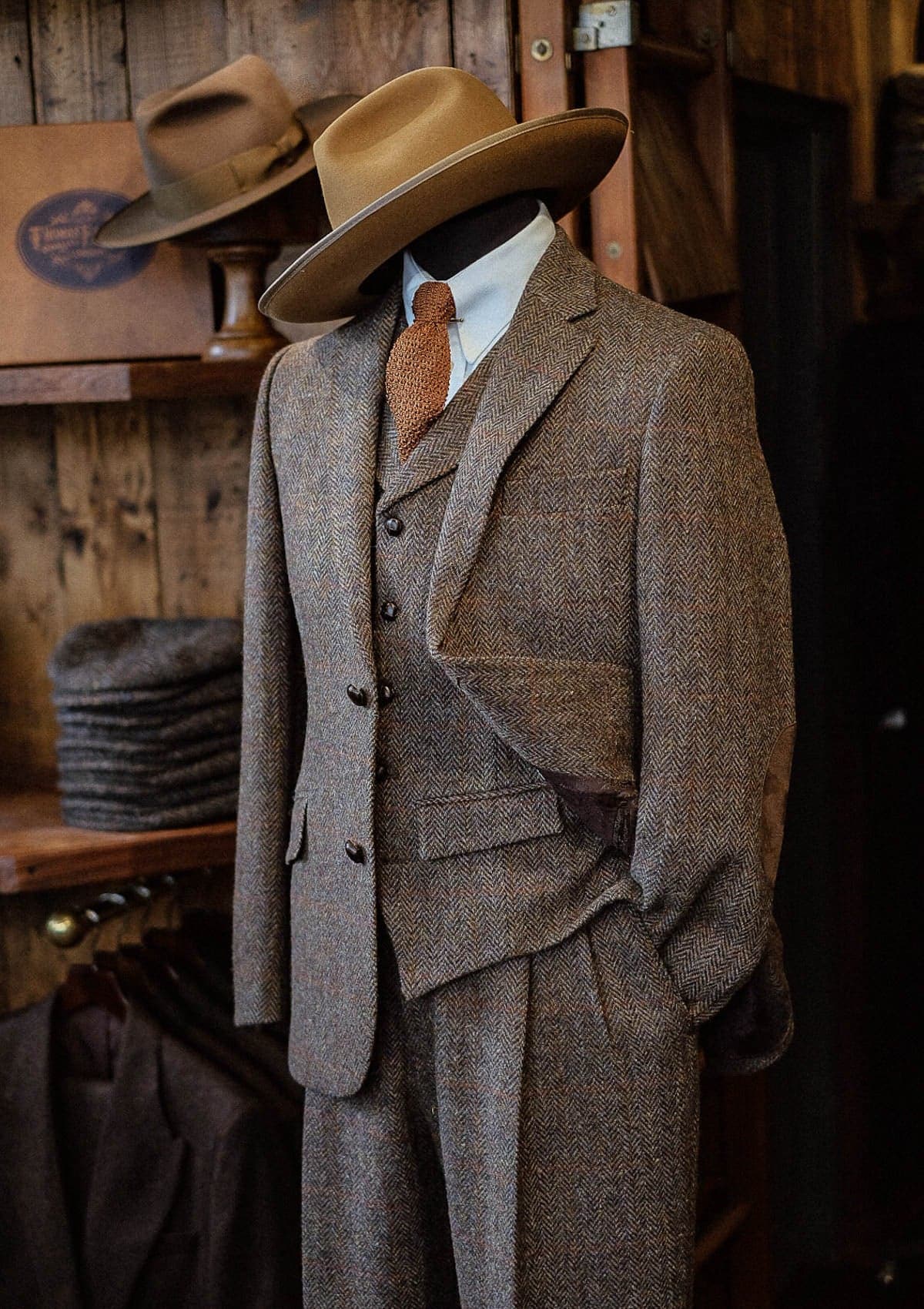
Thomas Farthing
Edison Harris Tweed Jacket
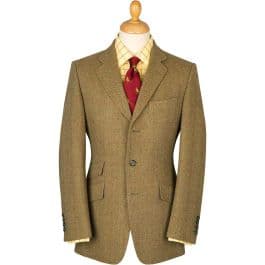
Cordings
Barleycorn Tweed Jacket
The Cut Must Be Contemporary
Heritage fabric does not require a heritage cut. The mistake is choosing a structured period silhouette — baggy in the torso, wide in the shoulder, long in the body — and then wondering why it reads as theatrical.
Thomas Farthing's Edison and Brockman cuts are structured but modern. The shoulders are set slightly forward. The chest fits. The body is shaped. The result is a Harris Tweed jacket that works in 2025 rather than 1965.
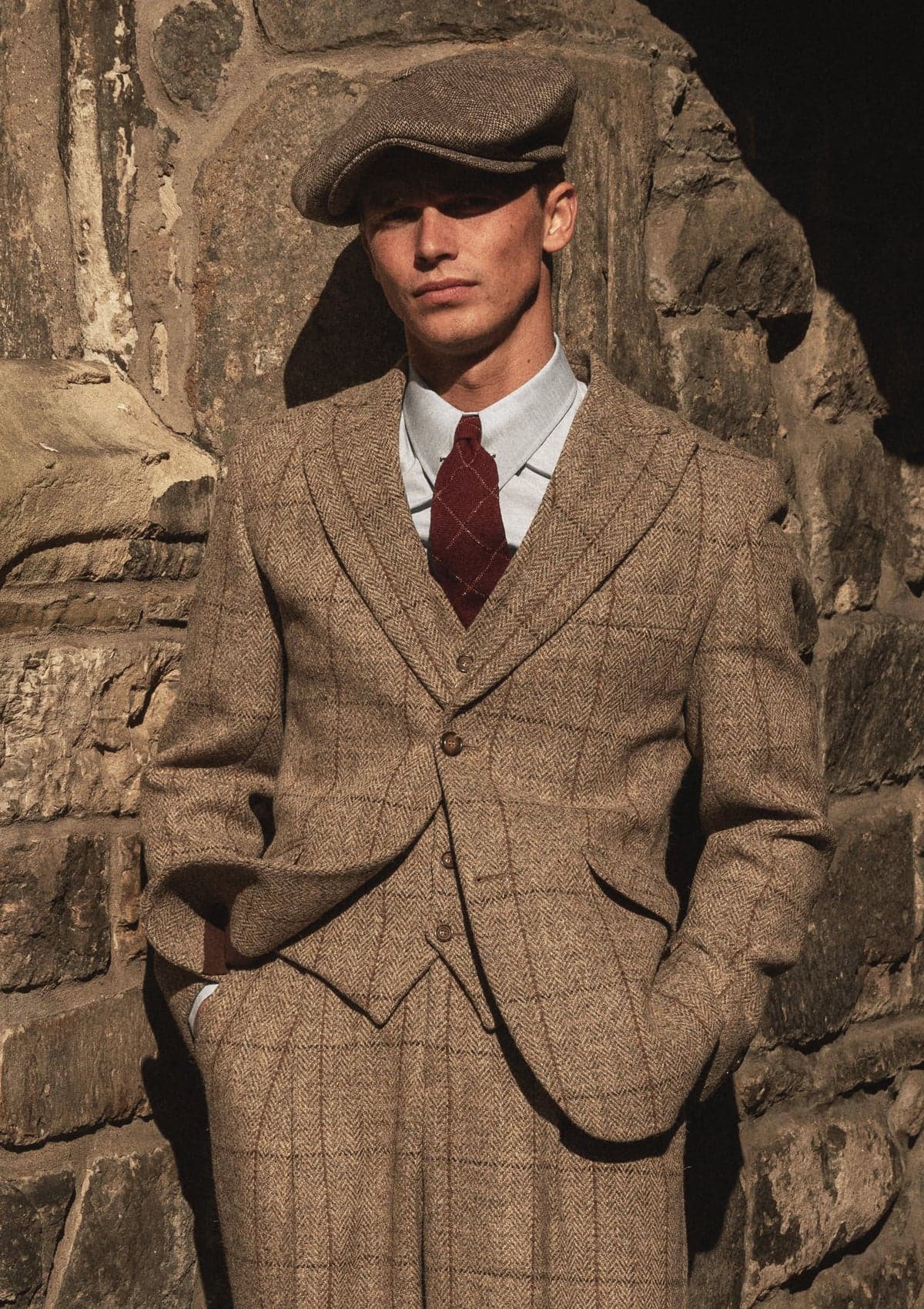
Thomas Farthing
Brockman Harris Tweed Jacket — Light Grey & Cinnamon Check
What Goes Under It
Under a tweed jacket: a fine merino roll-neck, a shirt with an open collar, or a shirt with a tie in a complementary earth tone. What does not work: a T-shirt (too casual), a white dress shirt (too formal), a novelty print (too busy).
The roll-neck under a tweed jacket is an extremely capable combination. John Smedley's fine-gauge merino creates a surface that reads as intentional rather than practical.
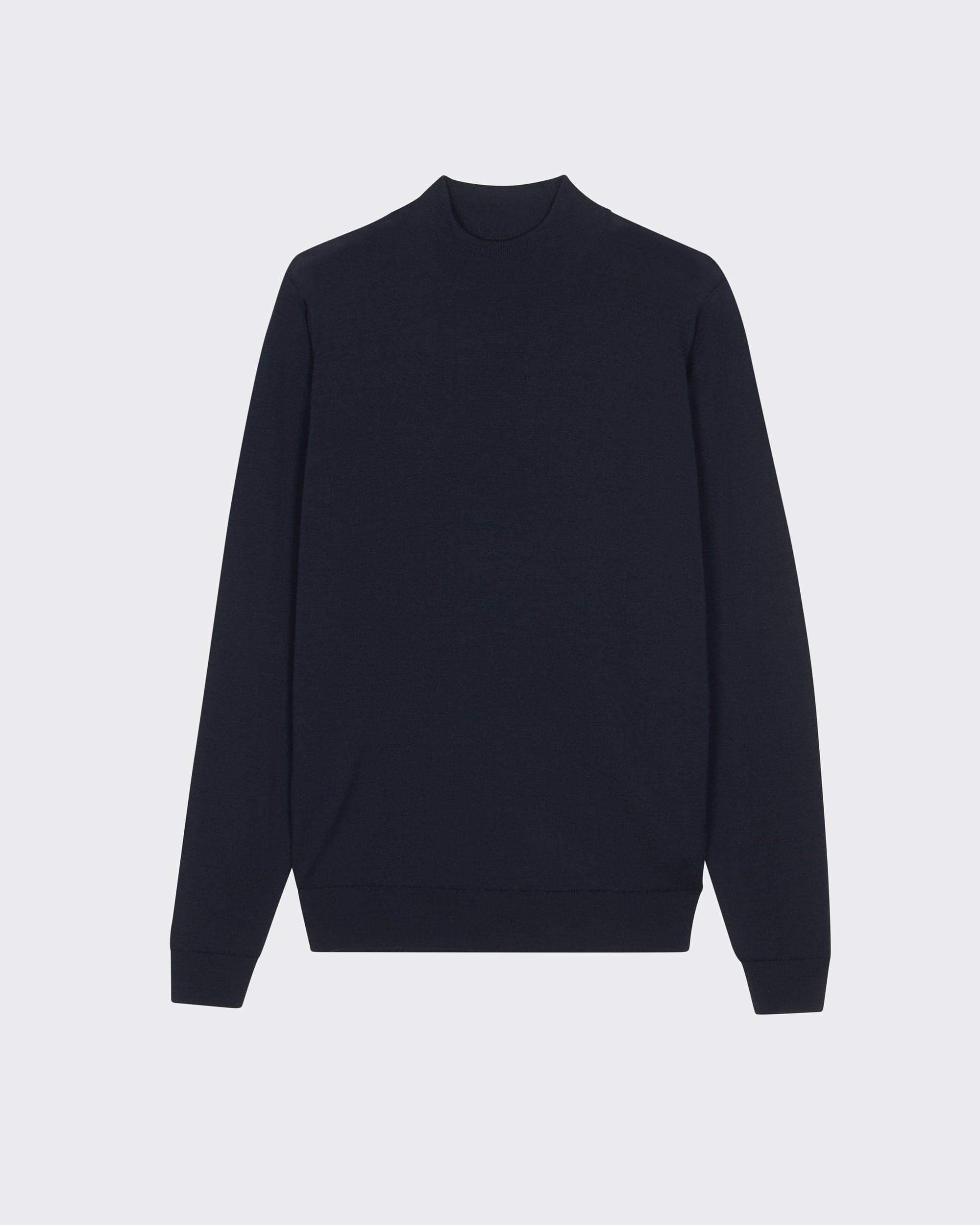
John Smedley
Harcourt Roll-Neck
The Trouser Matters
A Harris Tweed jacket over slim-fit jeans is not wrong, exactly, but it is working against itself. The weight and structure of the jacket calls for a trouser with some weight and drape of its own. High-rise wool trousers, corduroy in a complementary earth tone, or well-cut flannel.
The brogue on the feet is the correct shoe in either case — it transitions between the formal and informal registers without losing anything.
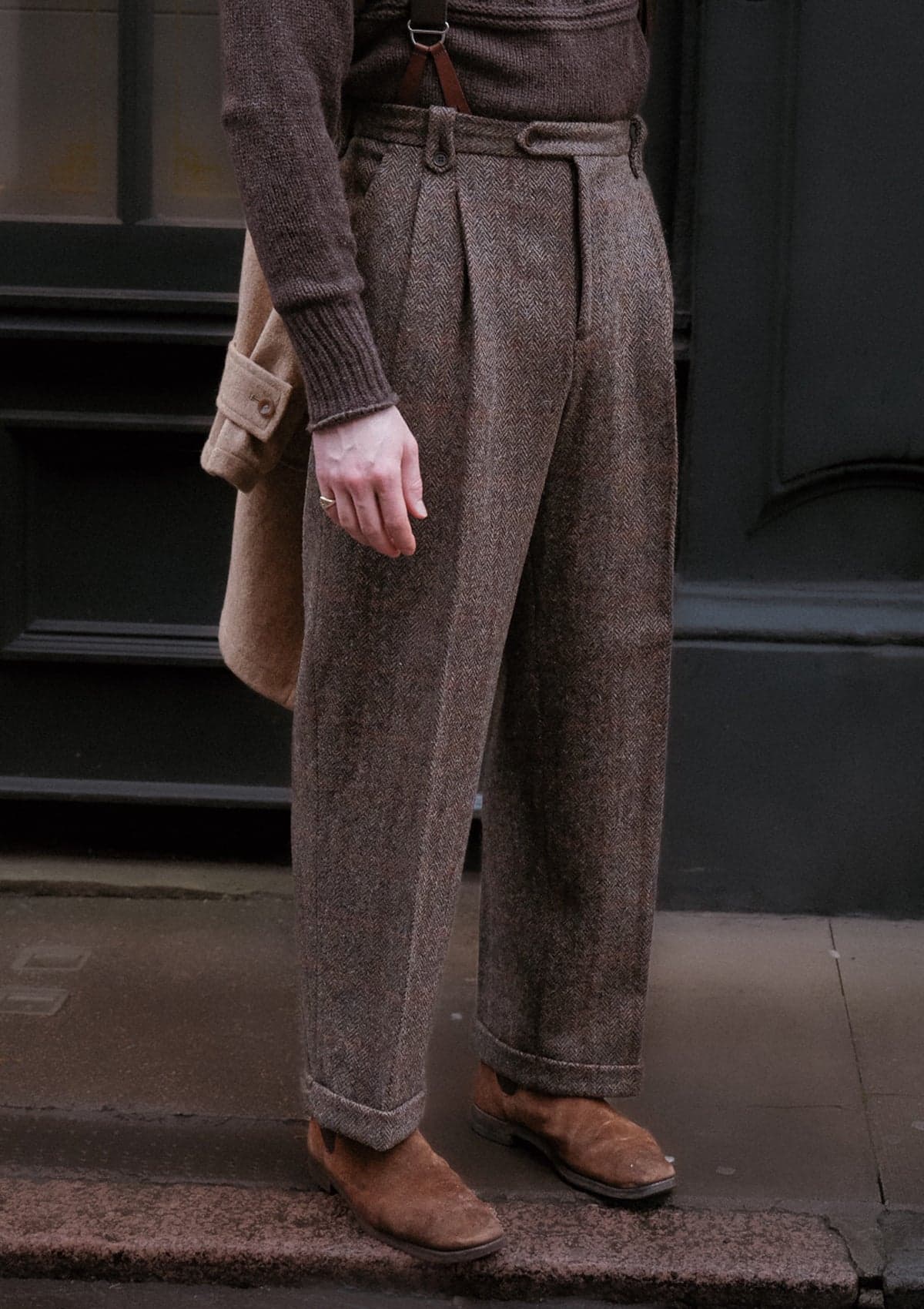
Thomas Farthing
Edison Gene Harris Tweed Trousers — Brown Check
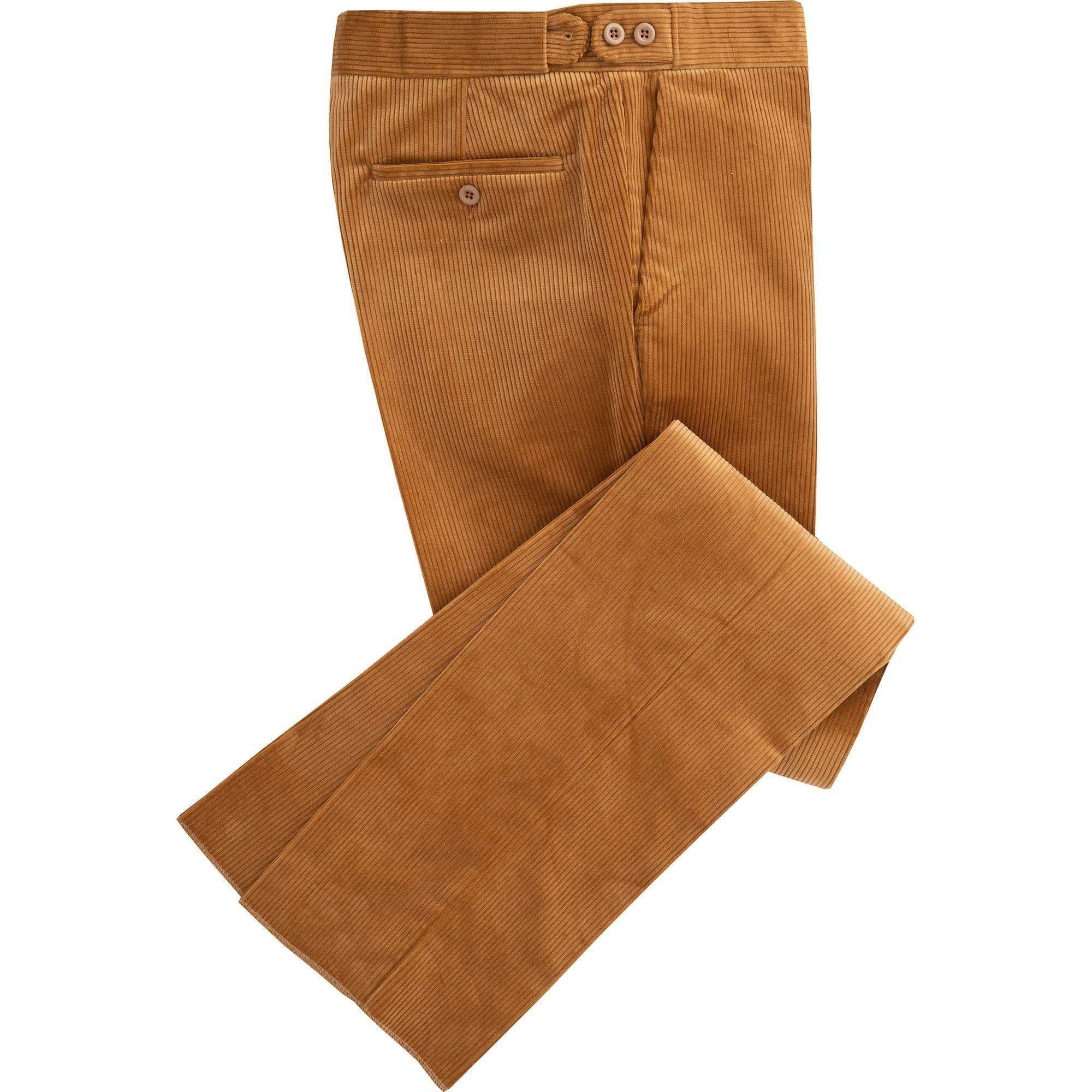
Cordings
Country Cord Trousers
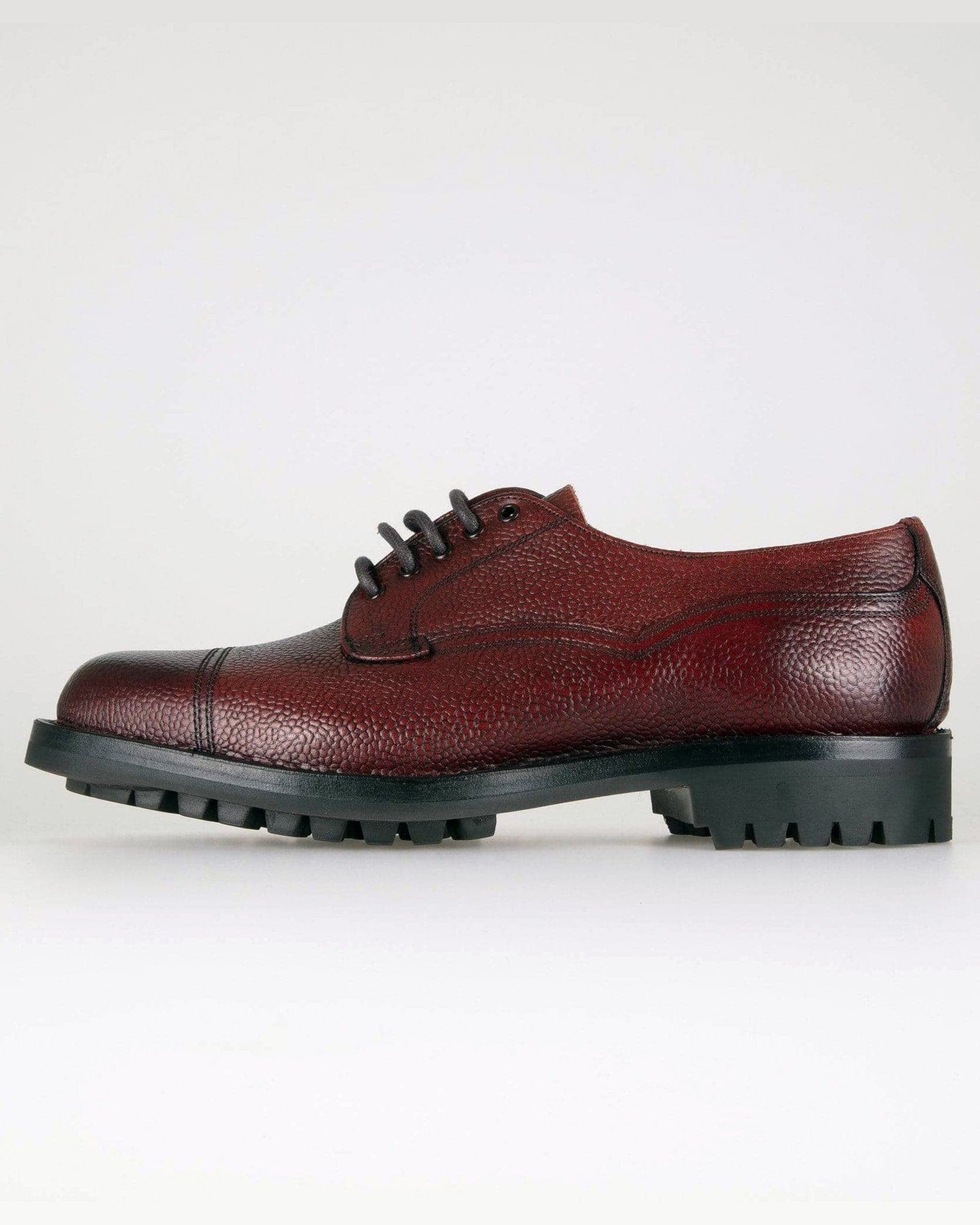
Cheaney
Cairngorm Country Brogue
When to Wear It
Tweed is a country fabric. It performs best outdoors, in autumn and winter, in contexts that have some connection to the landscape it comes from. A Harris Tweed jacket at the country house shooting weekend is completely correct. The same jacket at a London nightclub is an act of either high confidence or complete ignorance.
The middle ground — London in autumn, a smart casual occasion, a restaurant that does not have a dress code — is where tweed earns its modern relevance. It reads as considered, as invested in quality, as deliberately anti-fashion. Which is exactly why it works.
Shop the Look
Thomas Farthing
Edison Harris Tweed Jacket
Thomas Farthing
Brockman Harris Tweed Jacket — Light Grey & Cinnamon Check
Cordings
Barleycorn Tweed Jacket
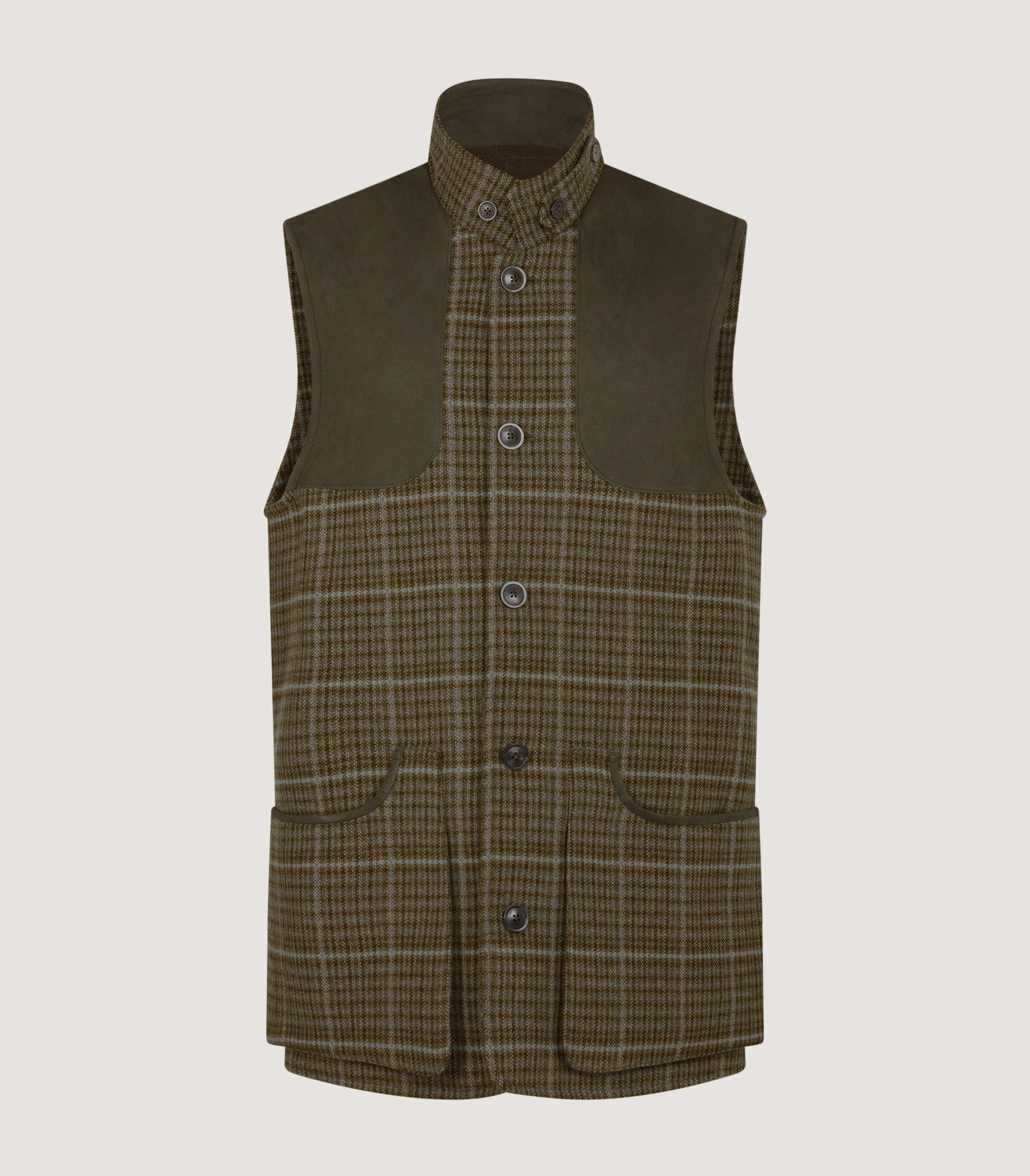
Continue Exploring