The Rules of Manor-Core
Eight principles for dressing like old money without the family history.

Manor-core is not a trend. It is a posture. The correct earth tones. The correct weight of fabric. The restraint to never announce what you spent. These are the rules — observe them or don't, but know why they exist.
Rule One: Fabric Before Cut
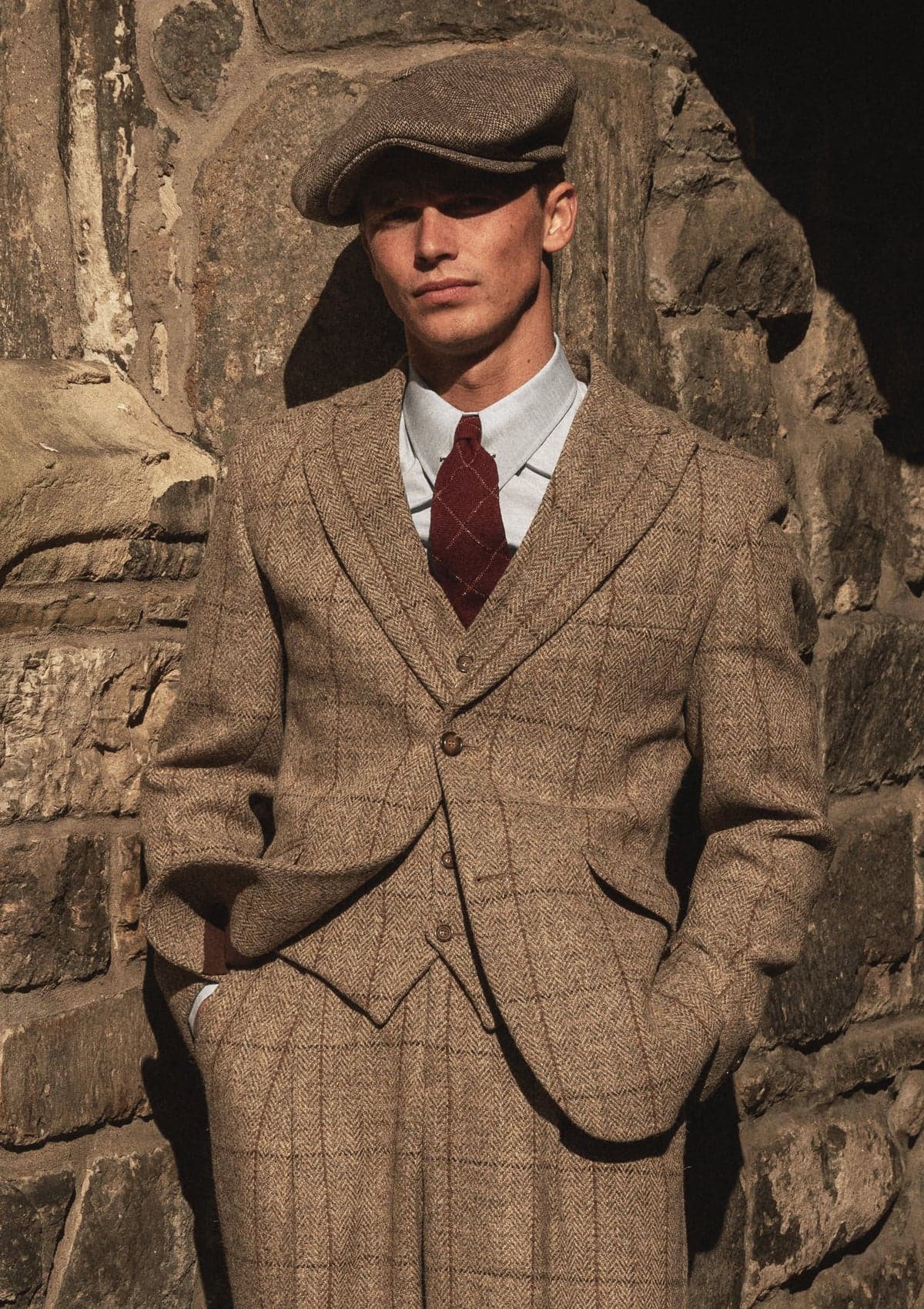
The first rule of manor dressing is that the fabric does more work than the silhouette. Harris Tweed, heavy flannel, waxed cotton, fine merino: these materials have a texture and drape that communicates before anything else. A well-cut garment in polyester still reads as polyester. An ill-fitting Harris Tweed jacket reads as correct.
This is not permission to wear ill-fitting clothes. It is a reminder that when you are making choices about where to spend, the fabric is the priority.
Rule Two: Earth Tones Are Not Boring
The manor palette is: heather, barleycorn, bark, dark olive, slate, cream, camel, oxblood. These are not colours that shout. They are colours that persist. A heather tweed jacket will look correct in thirty years. The fashion-forward option will not.
Colour, when it appears, is used with precision. Susie Glass's oxblood velvet smoking jacket is a study in concentrated use of a single saturated tone. The surrounding wardrobe is muted, which is why the velvet reads so clearly.
Rule Three: Never Announce the Label
Manor dressing does not display logos. It does not require them. The materials, the construction, and the provenance of the house communicate what they need to without a monogram.
This applies to sportswear too: when Nanny wears Sergio Tacchini, she wears it as a design statement, not a brand statement. The colour-blocked stripe is a graphic choice. The logo is incidental.
Rule Four: Age Is Not Decay
A waxed jacket that has been worn. A brogue with patina. A cardigan that was expensive when bought and has earned its looseness. In manor dressing, evidence of use is evidence of authenticity.
Freddy's wardrobe is the clearest expression of this principle. His corduroy jacket is not well-maintained. It is correctly maintained — which means worn until it is part of him.
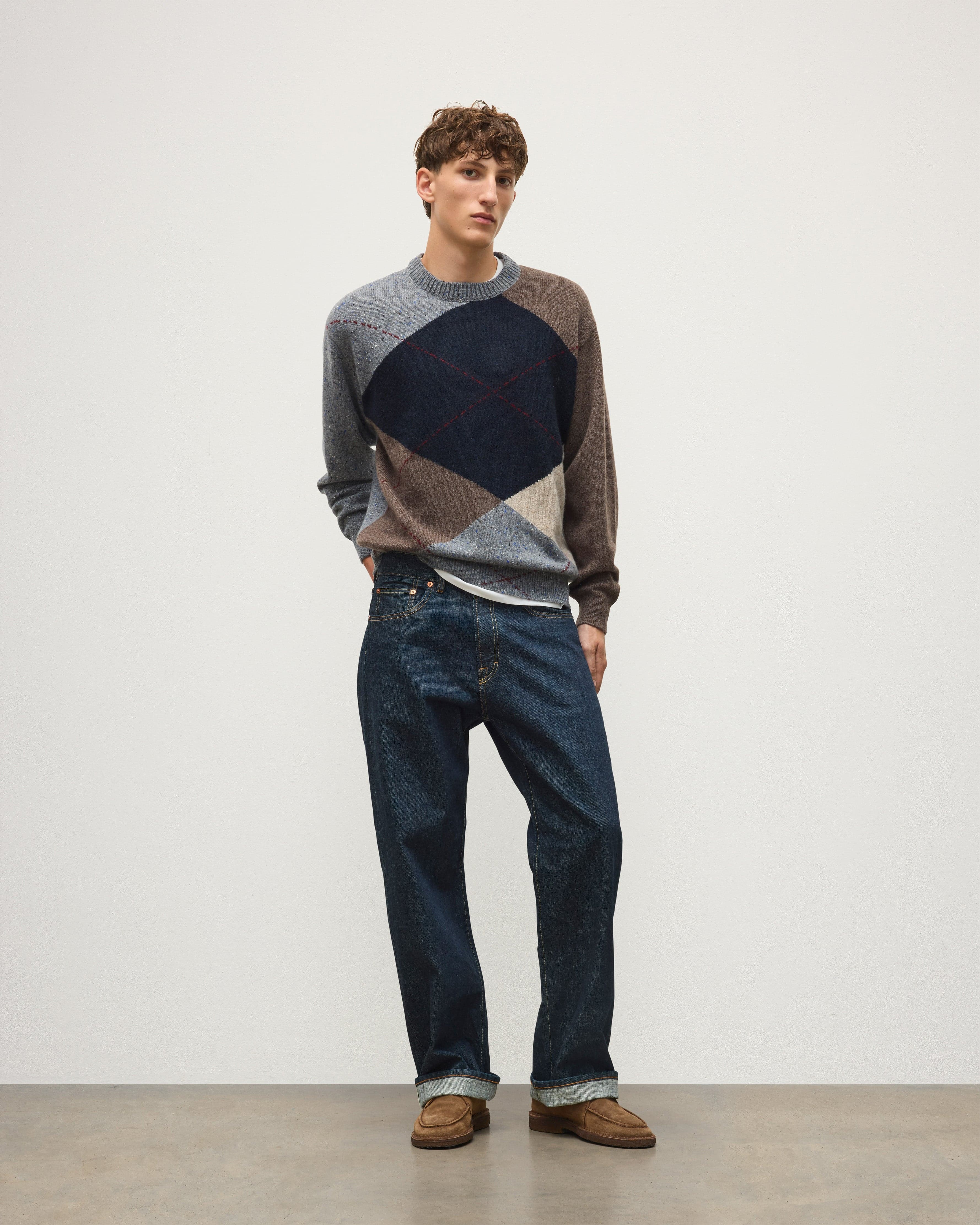
Johnstons of Elgin
Fair Isle Cashmere Cardigan
Rule Five: Layering Is Structural
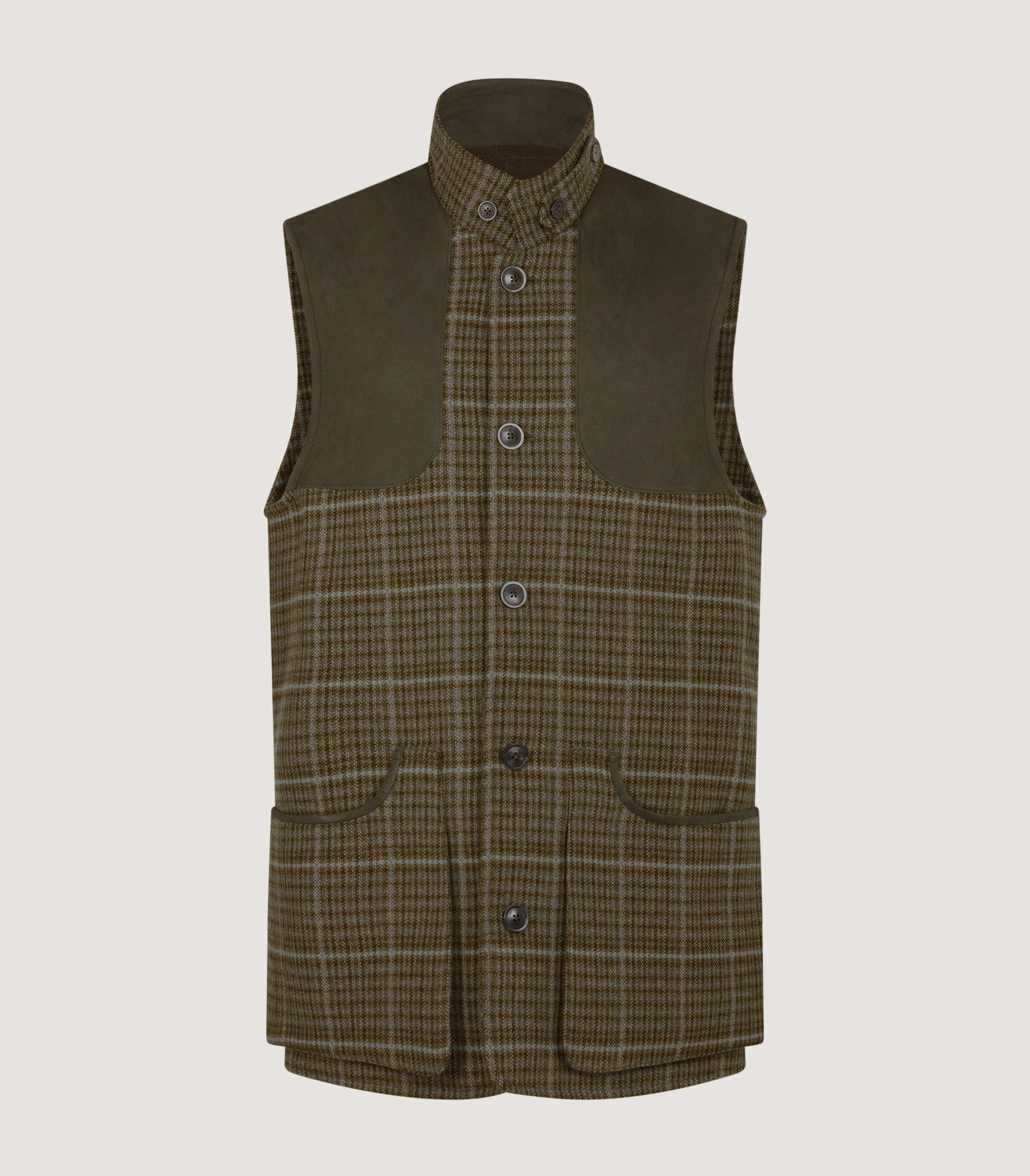

The country wardrobe layers. A shirt. A waistcoat or roll-neck. A jacket. An overcoat or waxed jacket for outdoors. Each layer is functional and each layer is visible when the outer layers are removed.
The Purdey shooting vest, worn as a waistcoat substitute over a shirt, is an example of functional layering that reads as intentional. The tweed jacket goes over it. The waxed jacket goes over that. The result is correct in all weather.
Barbour
Ashby Waxed Jacket
Rule Six: Knitwear Is Not Casual
A fine merino roll-neck worn under a tweed jacket is not a casual outfit. It is a deliberate choice that achieves the formality of a shirt and tie without the rigidity. Know the difference between knitwear worn as a shortcut and knitwear worn as a considered alternative.
John Smedley in Derbyshire has been making fine-gauge knitwear since 1784. The Harcourt roll-neck is the correct piece.
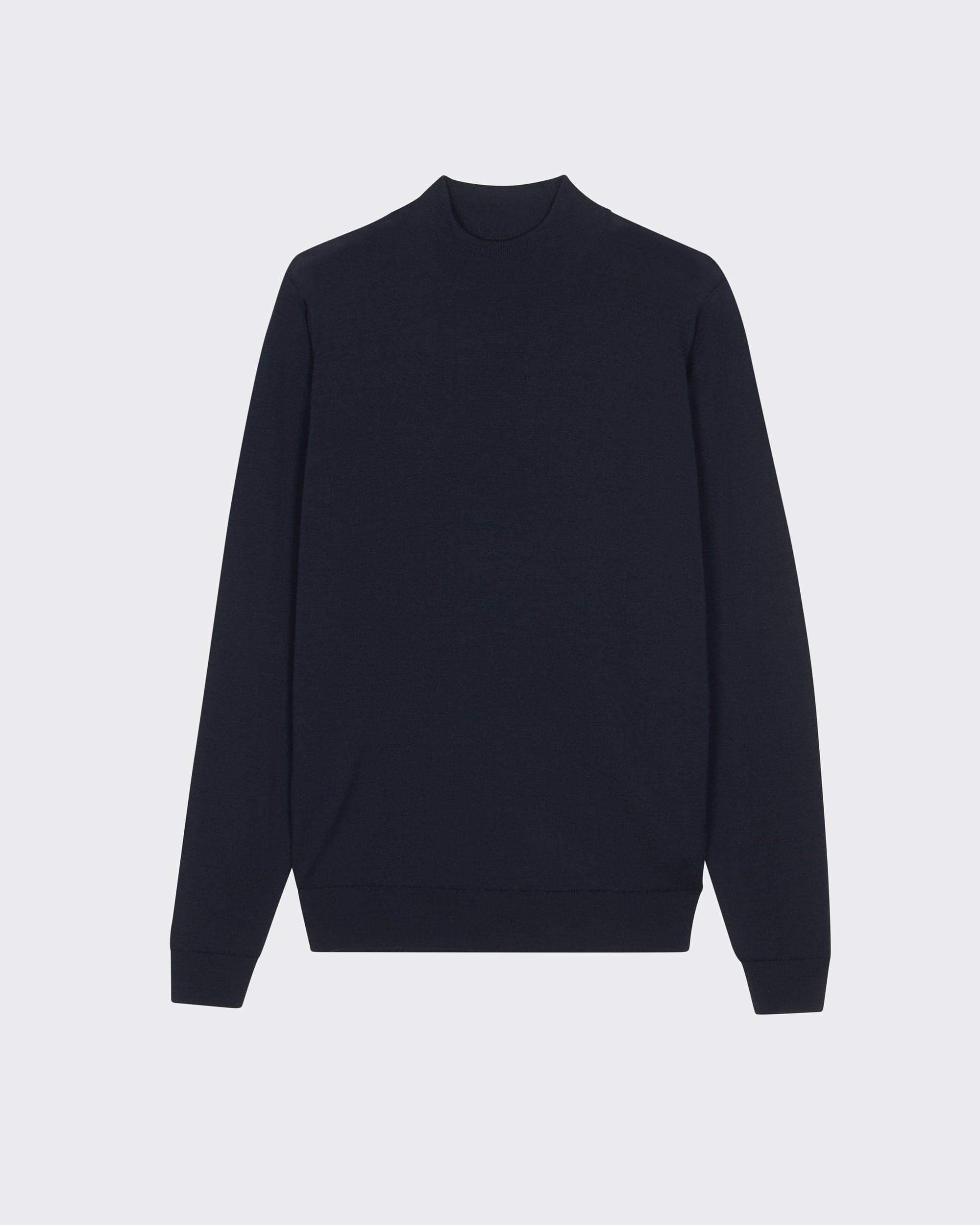
John Smedley
Harcourt Roll-Neck
Rule Seven: Accessories Complete the Argument

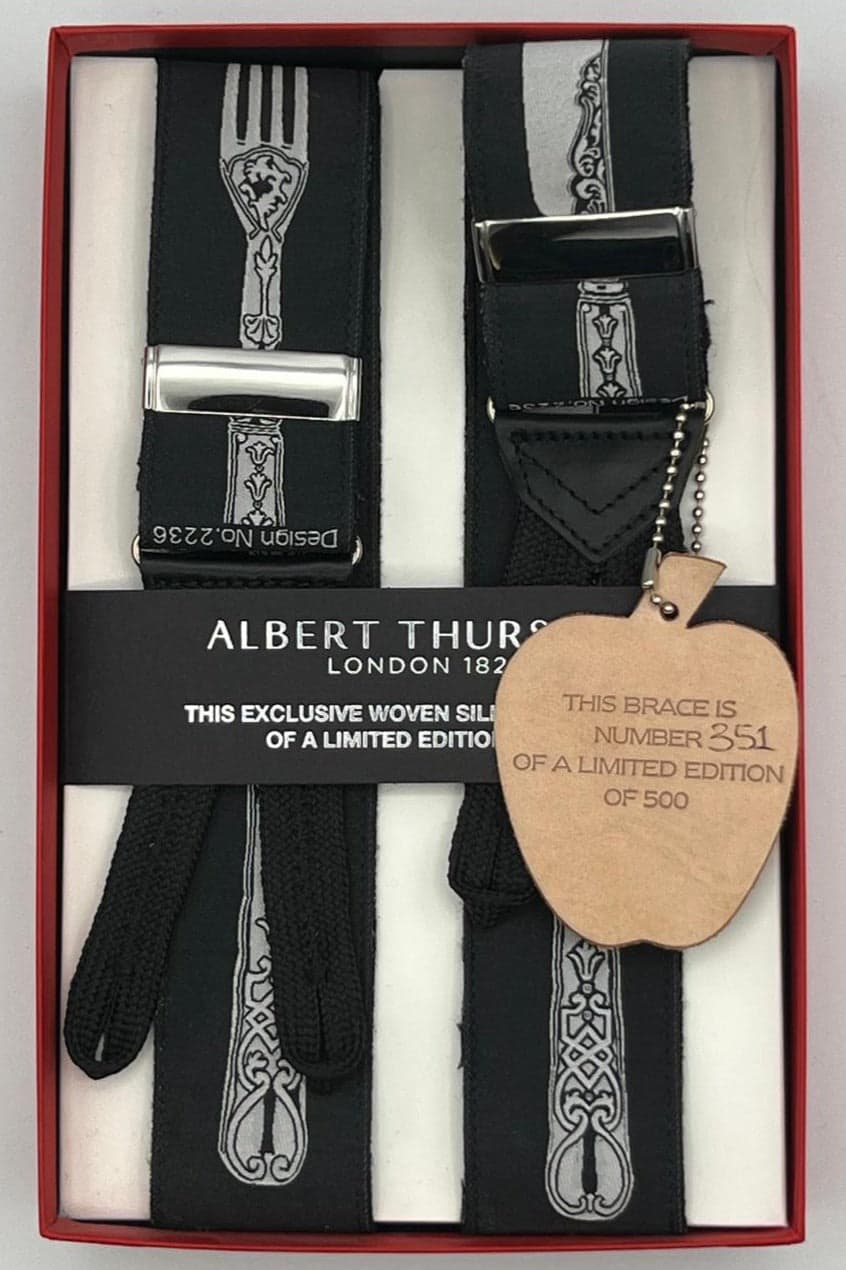
Braces, rather than a belt, with a high-rise trouser. A silk club tie rather than a novelty print. A flat cap in tweed, not a baseball cap. The accessories are where the vocabulary becomes specific.
Susie Glass breaks this rule deliberately — her accessories are statement pieces, not supporting cast. This works because the rest of her wardrobe understands restraint, so the earrings have room to operate.
Albert Thurston
Wide Silk Braces
Cordings
Gold Stripe Pheasant Club Tie
Rule Eight: Posture Is the Final Piece
The wardrobe without the posture is costume. Eddie Horniman does not become Eddie Horniman when he puts on the tweed. He becomes Eddie Horniman when he stops apologising for being in the room.
Clothes cannot manufacture confidence. But the right clothes, worn consistently, create a discipline of self-presentation that supports confidence from the outside. This is not self-deception. It is the oldest trick in a very old book.
Continue Exploring